Overview
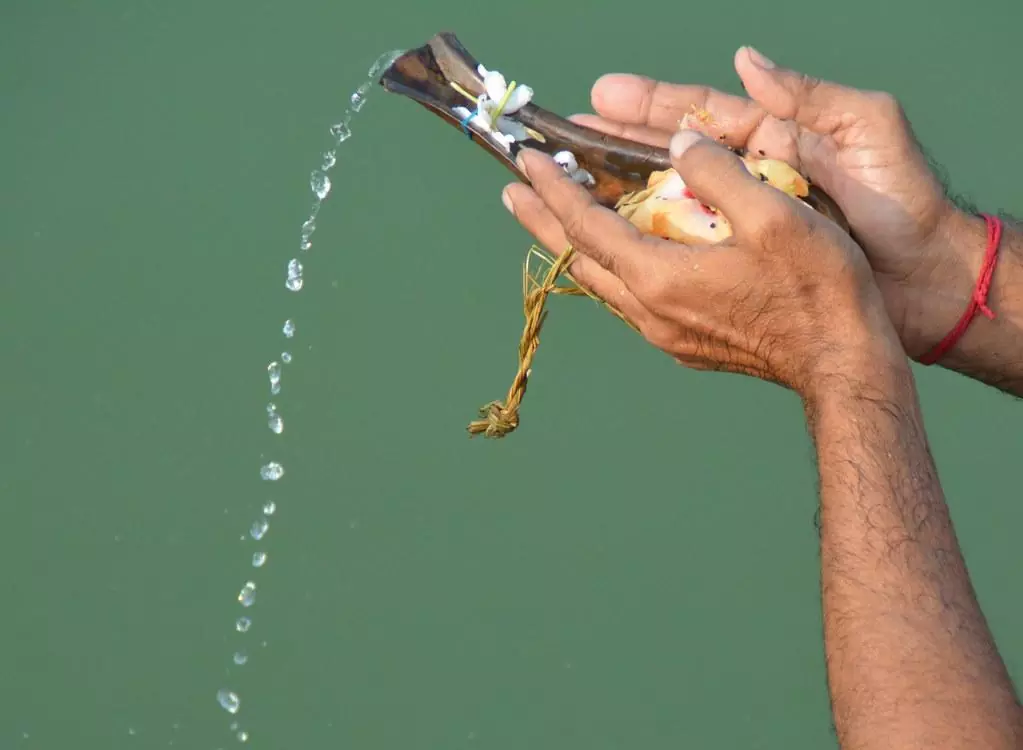
Tarpan Poojan is a sacred Hindu ritual performed to offer water, black sesame seeds, and prayers to ancestors (Pitrs), seeking their blessings, peace, and spiritual satisfaction. It is commonly observed during Pitru Paksha, Amavasya, Shraddha, and other auspicious occasions. This ritual symbolizes gratitude toward one's forefathers and is believed to remove Pitru Dosha, promote family harmony, and bring prosperity.
Spiritual Importance
Tarpan Poojan holds immense spiritual significance in Sanatana Dharma as an act of remembrance, gratitude, and respect toward one's ancestors. The ritual is based on the belief that sincere offerings of water and sesame seeds nourish and satisfy departed souls, helping them attain peace while inviting their blessings upon the family. Performing Tarpan during Pitru Paksha, Amavasya, or Shraddha is considered especially auspicious and supports the fulfillment of Pitru Rin (the sacred debt owed to one's ancestors).
Benefits of Performing this Pooja
- Seeks peace, satisfaction, and liberation for departed ancestors.
- Helps reduce the effects of Pitru Dosha according to Hindu beliefs.
- Invokes the blessings of ancestors for health, prosperity, and family well-being.
- Removes obstacles in career, marriage, and family life caused by ancestral karmic influences.
- Promotes spiritual growth, gratitude, and fulfillment of ancestral duties (Pitru Rin).
- Brings harmony, happiness, and positive energy into the household.
Pooja Procedure & Deliverables
Tarpan Poojan begins with a purifying bath and wearing clean clothes. The devotee sits facing the south, the traditional direction associated with ancestors, and prepares a vessel containing clean water mixed with black sesame seeds (til) and, if available, darbha (kusha) grass. Sankalpa (a sacred resolve) is taken before offering water through the hands while chanting mantras dedicated to the ancestors or reciting their names. The ritual concludes with prayers seeking peace for the departed souls and blessings for the family's health, prosperity, and spiritual well-being. Essential materials include clean water, black sesame seeds, darbha grass, a copper or steel vessel, flowers, incense, a small plate, and a clean cloth.
₹3,100.00
Includes Pandit dakshina, pooja materials, river access, and prasad shipping.
Need Booking Help?
Our support team is available 24/7 to guide you through the process.